
Neurodivergence and relationships
Create relationships that honour your neurodivergent brain
We help individuals and couples understand how ADHD, autism, and other neurodivergence influence relationship dynamics, creating connection patterns that work with your brain, not against it.
Relationships that work with your neurodivergent brain
When one or both partners have brains that work differently from the neurotypical majority, relationships face unique challenges. Whether you experience ADHD, autism, bipolar, high anxiety, high or low emotionality, or another type of unique brain, these can strain the connection with partners who experiences the world differently. Yet these same traits often come with unique strengths: Creativity, attention to detail, foreplanning, energy, stability, vibrancy, passion, and distinctive perspectives that enrich relationships.
At the Sydney Couples Counselling Centre, we help individuals and couples understand how neurodivergence influences relationship patterns. Whether you’re seeking individual support to understand how neurodivergence affects your relationships, or couples therapy to navigate these dynamics together, we provide a non-judgemental space that respects your unique brain while working on the underlying emotional connection plus developing practical strategies for managing the unique brain and it’s impact on the partner.
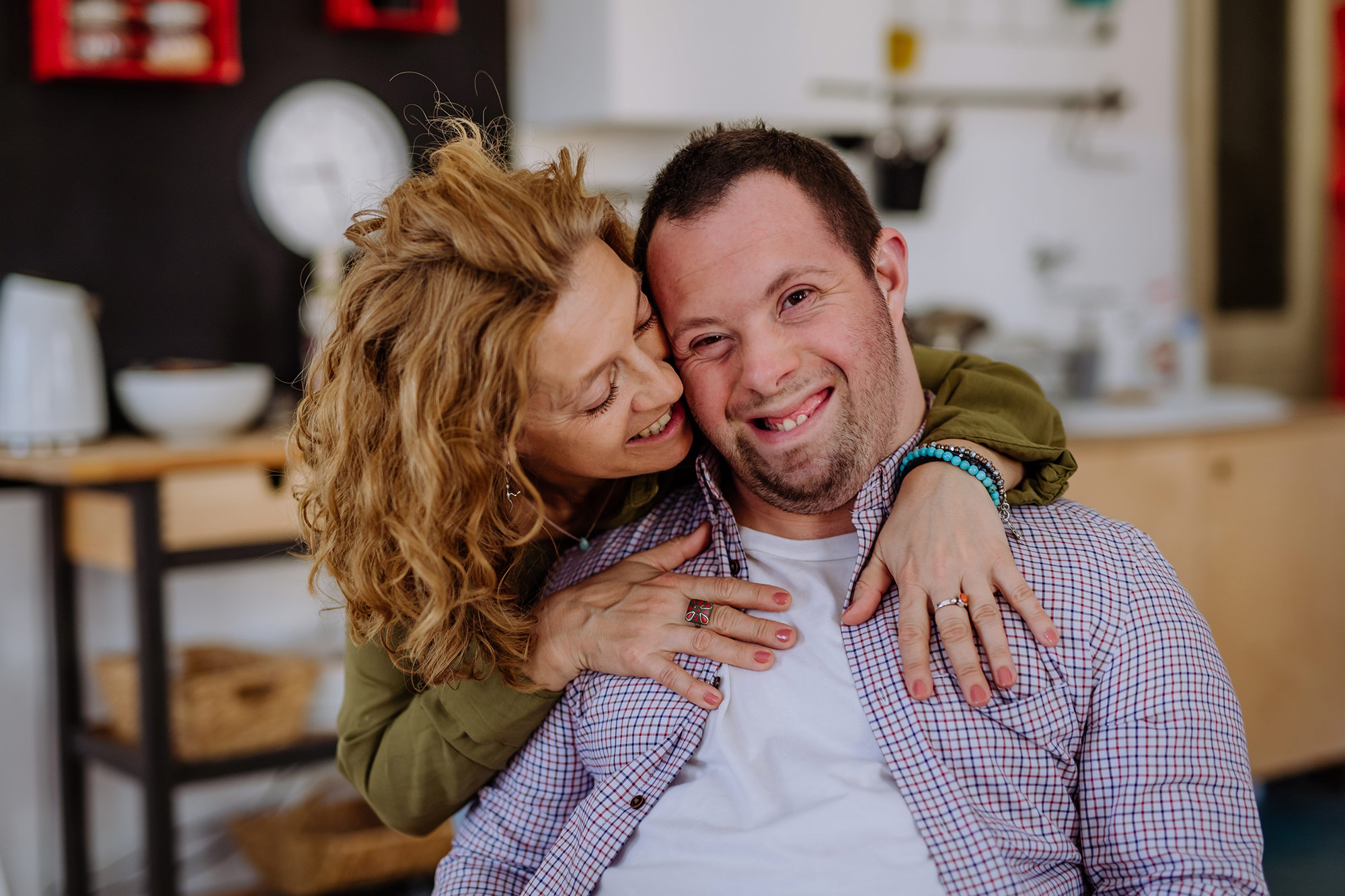
Understanding neurodivergence in relationships
When someone’s brain works in a way that differs significantly from most people, it’s likely to create challenges for their partner. This doesn’t mean the relationship is doomed. It means understanding these differences and developing specific approaches becomes important.
ADHD in relationships
Consider someone whose brain works in a way consistent with ADHD. This often involves a busy mind and tendencies towards impulsivity, boredom, and sometimes addiction. Relationships require consistency, safety, and presence, yet it can be challenging for a partner with ADHD to provide these due to how their brain works. This is not intentional but rather a product of how their brain works.
A person with ADHD may react quickly to things, triggering reactions in their partner and setting off conflict cycles. The partner of someone with ADHD might struggle to get their attention or may suffer when hidden addictive behaviours emerge. Time blindness can make punctuality difficult, forgetfulness can occur more often than for the average person, creating repeated experiences of the partner feeling unimportant. Hyperfocus can mean the ADHD partner becomes absorbed in interests while neglecting relationship needs.
It’s important to remember that these aren’t character flaws. They’re neurological differences that affect how someone experiences and responds to the world but they do need management when you’re sharing your life with someone.
Autism in relationships
With autism, the brain processes stimuli and emotions differently from most people. Many people describe it like the person doesn’t have access in real time to their own emotions. Our emotions serve as a compass we use to guide us in social situations, such as knowing that if we say something particular, it will make the other person feel bad. But if that emotional information isn’t available to someone in the moment, they may create interactions that feel inappropriate to others or not pick up on their partner’s emotions.
Although this can seem like a paradox, an autistic person will also get overwhelmed by their own emotions. They can hit like big waves that they struggle to manage. People with autism can be capable of great empathy, despite not having that compass.
In the autism brain, sensory input is felt more strongly. This can make some types of sensory input feel more pleasant than for the average person and other types to be very aversive.
Direct communication styles can feel blunt or harsh to neurotypical partners. Sensory sensitivities can create needs around environment, touch, or sound that the neurotypical partner struggles to understand. Social exhaustion can mean the autistic partner needs more alone time than feels comfortable to their partner.
Again, these aren’t deficits or problems to fix. They’re differences in how the brain processes information and experiences the world. However, couples where one person has autism often need help for how to manage the way it affects the relationship and the partner, as well as for the unique needs it creates for the autistic partner.
Other forms of neurodivergence
The same patterns emerge with other types of neurodivergence. Being with someone who experiences the highs and lows of bipolar is incredibly challenging, as is living with someone who seems not to feel emotions, or feels them all very strongly, or has persistent anxiety or depression. Each form of neurodivergence creates its own specific relationship challenges while also creating unique strengths and perspectives.
At the Sydney Couples Counselling Centre, we are especially experienced in helping couples deal with such issues, as our founder, Dr Rowan Burckhardt, is a clinical psychologist who worked with the full range of mental health issues before turning his attention to couples counselling.
1.
The therapy process
We combine Emotionally Focused Therapy principles with understanding of neurodivergent experiences. The first thing we need to do is untangle whether relationship problems stem from a partner having a unique brain or whether they’re typical relationship problems any couple might experience. Often it’s both.
In individual therapy, you’ll explore how your specific neurodivergence influences your relationship patterns, develop strategies for managing challenges in relationship contexts, and learn to communicate your needs effectively.
In couples therapy, we work on the emotional connection, the ability to resolve differences, and how the neurodivergence creates unique challenges for the relationship. Having a different type of brain can still lead to a long-lasting and fulfilling relationship. Sometimes it means management and understanding is required that wouldn’t be necessary in neurotypical relationships. The couple need to be able to discuss how the unique brain operates, how it impacts the partner, and to come up with a way of managing that impact. There may be things the neurodivergent individual will also need to do to manage their own unique brain.
For all this, we use a mixture of the techniques of Emotionally Focused Therapy combined with some practical techniques to help our clients. This enables them to have a wonderful and fulfilling relationship with their unique brain or brains.
2.
What to expect
Treatment length varies depending on whether you’re seeking individual or couples therapy and the complexity of your concerns. When non-neurodivergent couples seek help, the typical amount of therapy needed to repair their relationship is 13-14 sessions, but with neurodivergence, that can be closer to 20-24 sessions. There is enormous variability though and some clients will only need as little as 2 sessions. What we can make the commitment of is that we will never suggest more sessions that what is truly needed.
We always tailor each therapy to your unique situation as there is no one size fits all, despite there being some common elements that underlie relationship difficulties that we understand and incorporate when working with your unique relationship.
Lorem Ipsum
Lorem ipsum dolor sit amet, consectetur adipiscing elit. Etiam quis risus tortor. Maecenas nec finibus quam, nec ultricies magna. Sed quis enim felis. Nullam mollis tempor hendrerit.
Lorem ipsum dolor sit amet
Lorem ipsum dolor sit amet
Lorem ipsum dolor sit amet
Lorem ipsum dolor sit amet
Lorem ipsum dolor sit amet
Lorem ipsum dolor sit amet
Our services
• FAQ •
Common questions
No. We approach neurodivergence not as a disorder to fix, but as a different way of experiencing and interacting with the world. Our therapy helps you leverage the strengths of your neurological differences while developing strategies for the specific challenges they might bring to relationships.
Many neurodivergent traits that create relationship difficulties in some contexts are actually strengths in others. People with a tendency towards depression are often highly empathetic. People with ADHD can be highly successful in fast-paced situations such as entrepreneurship, business, or finance. We help you understand these dynamics and create relationships where your neurodivergent brain is respected, not pathologised.
Yes definitely. Many of our clients have some form of neurodivergence, including ADHD, Autism, Bipolar, high anxiety, disposition towards depression, and being high or low emotion. Having a different brain is normal and what we need to do is work out how it affects the relationship and find the right combination of acceptance and change. There are ways we modify how we work using Emotionally Focused Therapy when dealing with a partner, or both, who have some form of neurodivergence but often those couples also need work on their ability to resolve differences or heal from betrayals.
No formal diagnosis is required. If you suspect neurodivergence influences your relationships but haven’t been formally assessed, we can still help you understand your patterns and develop strategies. If diagnosis would be helpful for accessing support or understanding yourself better, we can discuss referral options for assessment.
Many people discover through therapy that patterns they attributed to personality traits or character flaws actually reflect neurodivergent processing. Understanding this can be profoundly validating.
While therapy won’t change your neurological wiring, it can help you develop practical strategies for managing these challenges in relationship contexts. More importantly, it helps you and your partner understand these challenges as neurological differences rather than personal failings.
When both partners understand what’s happening, you can develop systems together that support your relationship. External structures like calendars, routines, sensory accommodations, and explicit communication patterns often work better than trying to force neurotypical approaches.
While labels can be helpful for understanding patterns quickly and having words to refer to tendencies, they can also lead people to not look further at what’s behind the label. For example, depression can be caused by many things such as dissatisfaction at work, relational problems, or high anxiety. It’s important to look at what’s driving the problem.
Labels can also lead to misdiagnosis, negate the positive side of differences by seeing them solely as negatives, create a passive approach to the tendency, or become excuses for behaviour. When working with someone, having a word for a pattern is helpful, so long as we avoid falling into these traps.
When Dr Rowan Burckhardt sought couples counselling for his own relationship difficulties, he tried two therapists without success. The third therapist introduced him to Emotionally Focused Therapy. Though his relationship ultimately ended, he was impressed by the effectiveness of the EFT approach and its grounding in research. Recognising that evidence-based EFT was difficult to find in Sydney at the time, he became passionate about offering this approach to help other couples.
We continue to focus on EFT because research consistently shows it creates lasting positive change for couples. After more than 10 years helping Sydney couples, we’ve seen firsthand how this approach transforms relationships when both partners commit to the process.
Yes, very much. We need to use communication to resolve differences, heal from past hurts, and get our needs met. However, communicating in a way that works is difficult and it goes far beyond simply using I statements or other such strategies. We must be able to recognise our feelings and the different layers of feelings we have. For example, if we switch from primary emotions (such as sadness, shame, or anxiety) to anger, this will make the partner feel attacked, unimportant, and misunderstood, regardless of the words we use. Likewise, if we shut down emotionally, the partner will like they don’t care and are not engaging with them, regardless of what we actually say. What is needed is that we can share our feelings and needs in a way that our partner can understand.
This is where Emotionally Focused Therapy works because it addresses what is at the core of effective communication – our emotions. Emotionally Focused Therapy helps you understand what’s really happening beneath the surface patterns, the emotions driving those patterns. Partners are helped to learn to not only stop attacking each other or getting caught up in conflict, but also to communicate together in a way the other can understand. This allows us to resolve all the issues we are currently facing and the ones to come.
Recovering from infidelity is one of the most painful challenges couples face. The betrayed partner struggles with broken trust, while the partner who had the affair may feel overwhelmed with guilt, defensive, or both. These reactions are normal responses to relationship trauma.
Emotionally Focused Therapy has been proven effective for couples rebuilding after betrayal. We help you not only how to restore trust, but also the relationship patterns that created vulnerability to infidelity. This doesn’t excuse the betrayal. Rather, understanding the full context creates opportunities for genuine healing and a stronger foundation than existed before. Many couples tell us their relationship became more authentic and secure after working through infidelity than it ever was previously.
We understand therapy represents a significant financial investment. Our fees range from $280 for weekday sessions with associate therapists to $460-$540 for sessions with Dr Burckhardt. Most couples attend 5-6 sessions, though complete therapy typically involves 13-14 sessions.
Many couples tell us therapy was the most valuable investment they made in their relationship and overall wellbeing. When you consider the cost of relationship breakdown on your emotional health, your children’s wellbeing, and the financial implications of separation, therapy often represents considerable value. We believe in ethical practice, which means we’ll work with you only as long as it helps. We never recommend unnecessary sessions.
While understanding your history can provide valuable insight, EFT focuses primarily on what’s happening between you and your partner now. We’re interested in the emotional patterns you’ve developed together and how they affect your current relationship.
That said, your past experiences do influence how you respond in intimate relationships today. If understanding these connections helps you make sense of your current patterns, we’ll explore them. But we won’t spend session after session analysing your childhood at the expense of addressing your present relationship.
Most couples attend an average of 5-6 sessions with us. However, complete therapy for lasting change typically involves 13-14 sessions. Some relationships, particularly those recovering from significant betrayal or navigating complex challenges, require more extensive support.
The timeline depends on several factors: the depth of disconnection, both partners’ willingness to engage with the process, and the presence of ongoing stressors. Some couples experience significant relief after just a few sessions as they begin to understand their patterns. Deeper transformation takes time as you practice new ways of connecting.
We’re not interested in prolonging therapy unnecessarily. When you’ve achieved your goals and developed the tools to maintain your progress, we’ll conclude our work together.
We provide professional help to those who need any relationship related help and for most individual problems.
• Book appointment •
Start your journey to deeper connection today
Many couples tell us they felt immediate relief just by booking their first session. We’ve made getting started straightforward with flexible scheduling options that work around your commitments.